Insights
How to create compliant iGaming ad copy in 2026

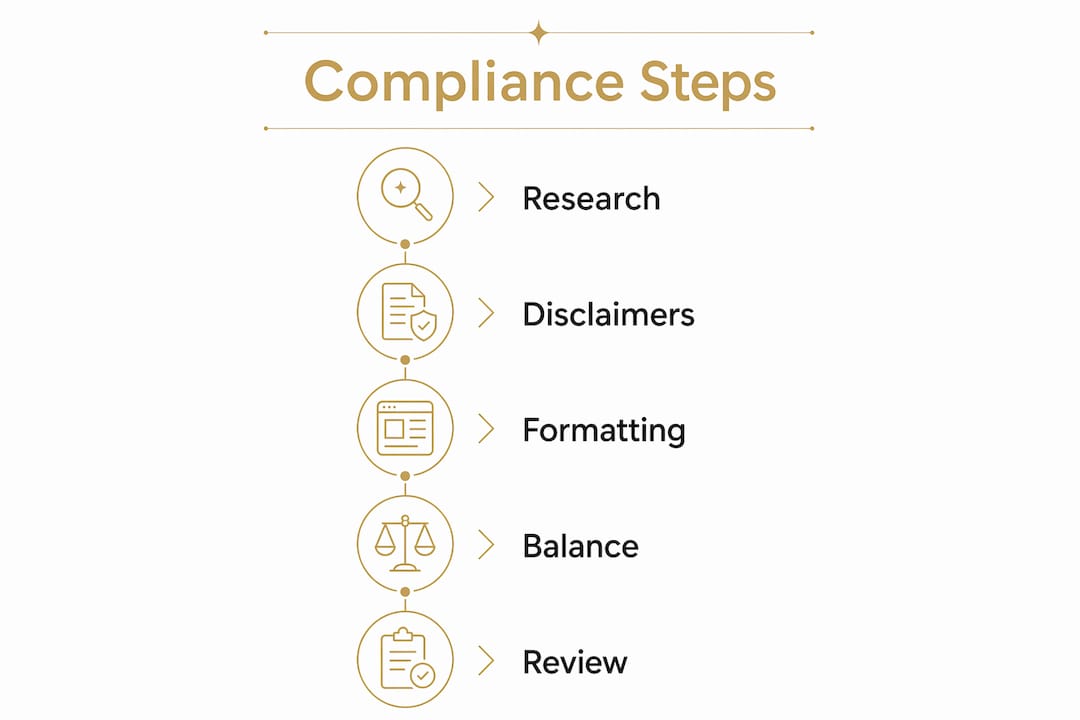
Compliant iGaming ad copy is promotional content that meets platform policies, jurisdiction regulations, and responsible gambling standards simultaneously. Getting all three right is the defining challenge for iGaming marketers in 2026. Google, Meta, and TikTok have tightened automated review systems, and regulators from Ontario’s AGCO to the Swiss MGA are issuing fines rather than warnings. This guide covers the mandatory disclaimers, content ratios, creative tactics, and common pitfalls you need to know to write iGaming advertisements that pass review and stay live.
What are the essential components of compliant iGaming ad copy?
Compliant iGaming ad copy requires three non-negotiable elements: responsible gambling statements, age markers, and local helpline references. These are not optional additions. They are the signals that automated review systems at Google and Meta scan for before a human ever sees your ad. Safety markers in ad copy increase automated approval speeds by up to 300%. That figure means the difference between a campaign launching on schedule and sitting in review limbo for days.
Mandatory disclaimers and responsible gambling language
Every iGaming ad must carry an age restriction marker. In most Canadian provinces and European markets, that means “18+” or “19+” depending on jurisdiction. In U.S. states like New Jersey and Pennsylvania, the marker is “21+”. The disclaimer must be legible, not buried in a footer or rendered in a font size that fails platform readability standards.
Local problem gambling helpline numbers are equally mandatory. In Ontario, that means referencing ConnexOntario (1-866-531-2600). In the United Kingdom, GamCare is the standard reference. Dropping the correct helpline for your target market into the ad body, not just the landing page, signals legitimacy to both automated systems and human reviewers.
Prohibited language is as important as required language. Phrases like “guaranteed winnings,” “risk-free,” or “beat the house” are hard rejection triggers on Meta and Google. Calls to action must be factual and measured. “Explore our games” clears review. “Win big tonight” does not.
Pro Tip: Place the “18+” marker and helpline reference in the first visible line of your ad body, not at the end. Automated systems read top-down and flag ads that bury compliance text.
Formatting signals that matter to AI review systems
AI review systems at Meta and Google parse visual hierarchy as well as text. Use clear, standard fonts and avoid overlaying compliance text on busy backgrounds. Ads that use native-content formatting, meaning copy that reads like editorial rather than a sales pitch, consistently perform better in automated review queues. Curiosity-driven, honest copy passes AI review more reliably than sensationalist language. Words like “miracle,” “banned,” or “secret” raise rejection risk across all three major platforms.

How should you balance informational and promotional content?
The 60% informational to 40% promotional content ratio is the structural rule that governs both ad copy and linked landing pages. Ads that skew heavily promotional trigger automated disapprovals. Landing pages dominated by registration forms are flagged before a user even clicks “sign up.” This ratio applies to the total content experience, from the ad unit through to the page the user lands on.
What counts as informational content?
Informational content includes game descriptions, responsible gambling information, platform feature explanations, and jurisdiction-specific licensing details. A landing page that explains how a slot game’s RTP works, lists the operator’s licence number, and links to a responsible gambling resource is informational. A page that opens with a registration form, a bonus countdown timer, and a deposit button is promotional. The latter gets flagged.
Pro Tip: Build your landing page with a content-first layout. Lead with a game description or platform overview section, then place the registration call to action below the fold. This structure satisfies the 60/40 rule and reduces bounce-related quality signals.
Compliant vs. non-compliant landing page structures
| Element | Compliant | Non-compliant |
|---|---|---|
| Opening section | Game or platform description | Registration form or deposit prompt |
| Responsible gambling | Visible link and helpline number | Absent or footer-only |
| Licence information | Operator name and licence number displayed | Not mentioned |
| Bonus terms | Full terms with wagering requirements | ”Claim now” with no conditions |
| Age restriction | ”18+” visible above the fold | Missing or in fine print only |
The table above reflects the structural requirements that iGaming compliance guides for 2026 consistently identify as the difference between approval and rejection. Treat it as a pre-launch checklist for every landing page your ads link to. For a deeper look at how content structure affects campaign performance, Myluckyuniverse covers media buying in gambling in detail.
What creative tactics reduce rejection risk on major platforms?
The first three seconds of video ads receive the heaviest automated scrutiny on Meta. Opening frames that show gameplay, jackpot numbers, or cash imagery are flagged at a higher rate than frames showing lifestyle imagery, brand visuals, or conversational presenters. This is not a creative preference. It is a documented pattern in Meta’s automated review behaviour.
Writing and creative tactics that pass review
- Open video ads with brand or lifestyle imagery for the first three seconds, then transition to product content.
- Use conversational, native-content style hooks. A presenter speaking directly to camera in a podcast-style format reduces flags and improves engagement. Pattern interrupt creatives like this outperform static image galleries in both approval rates and click-through.
- Write headlines that are factual and curiosity-driven. “Discover how this casino earned its licence” clears review. “You won’t believe these payouts” does not.
- Align ad copy language precisely with landing page messaging. Mismatches between what the ad promises and what the landing page delivers trigger manual review escalation.
- Synchronise all on-screen text with spoken audio in video ads. Mismatches between audio and captions are a documented trigger for manual scrutiny.
- Avoid static creative galleries as your primary format. Rotate creatives regularly to prevent fatigue flags and to test which formats pass review most consistently in your target markets.
For marketers working with influencer-driven content, the compliance requirements extend to every piece of content an influencer produces on your behalf. Myluckyuniverse’s guide on iGaming influencer marketing covers the regulatory standards that apply to that channel specifically.
What compliance pitfalls do iGaming marketers most often face?
The most costly pitfall in iGaming advertising is operator liability for affiliate content. Operators bear strict liability for affiliate marketing compliance failures. A non-compliant affiliate ad, even one produced entirely by the affiliate without operator input, can result in fines levied against the operator. This is the rule in Ontario under AGCO and in most regulated European markets.
Common failures and how to fix them
-
Missing geo-restriction disclaimers. Ads served in Ontario must carry the iGaming Ontario logo, a responsible gambling message, and a geo-restriction disclaimer. All three elements are mandatory under AGCO rules. Missing any one of them constitutes non-compliance.
-
Inadequate age verification. Standard demographic targeting on Meta or Google is not sufficient in strict jurisdictions. Certified on-device age verification systems meeting KJM certification standards are required in Germany and Austria. These systems provide audit-proof compliance without creating GDPR conflicts.
-
Aggressive wording and exaggerated promises. Fines under Article 131 of the Swiss MGA can reach CHF 500,000 for advertising unlicensed gambling or targeting minors and self-excluded individuals. The financial exposure makes aggressive copy a liability, not a competitive advantage.
-
Audio and caption mismatches in video. When spoken claims in a video ad differ from on-screen text, platforms escalate to manual review. This slows approval and increases rejection probability.
-
Undocumented compliance processes. Operators must maintain detailed records of compliance checks, content approvals, and corrective actions. Without this documentation, a regulatory audit becomes a significant legal and financial risk.
Affiliate compliance is not a partner problem. It is an operator problem. Every piece of content your affiliates publish is your legal responsibility. Build review processes before you build affiliate programmes.
For a detailed breakdown of operator liability in affiliate relationships, Myluckyuniverse’s piece on affiliate brand safety is worth reading before you sign your next affiliate agreement.
Key takeaways
Compliant iGaming ad copy requires responsible gambling language, a 60/40 informational-to-promotional content ratio, and jurisdiction-specific disclaimers to pass automated platform review and avoid regulatory fines.
| Point | Details |
|---|---|
| Safety markers accelerate approval | Include “18+” markers and local helpline numbers in the ad body to speed automated review. |
| 60/40 content ratio is mandatory | Keep landing pages 60% informational to avoid automated disapprovals on Google and Meta. |
| Operators own affiliate compliance | Non-compliant affiliate ads expose operators to direct regulatory fines under AGCO and MGA rules. |
| Video ad openings are high-risk | Use brand or lifestyle imagery in the first three seconds of video to reduce automated rejection. |
| Documentation is a legal asset | Maintain records of all compliance checks and content approvals to withstand regulatory audits. |
What I’ve learned writing compliant iGaming copy at scale
The marketers who struggle most with compliance are the ones who treat it as a final checklist rather than a writing constraint. They draft the copy first, then try to retrofit disclaimers and responsible gambling language. That approach fails consistently. The copy reads awkward, the disclaimers feel bolted on, and automated systems flag the structural inconsistency.
The teams that get it right build compliance into the brief. The responsible gambling statement is written before the headline. The helpline reference is chosen before the hook. When compliance is a creative input rather than a legal afterthought, the resulting copy is cleaner and passes review faster.
Regulated markets trend toward stricter restrictions over time. No jurisdiction has relaxed its iGaming advertising rules in the past five years. Planning for tighter rules next year is not pessimism. It is accurate forecasting.
The other thing I have seen consistently is that coordination gaps between marketing, CRM, and compliance create more regulatory risk than bad copy does. A campaign can have perfect ad text and still fail because the CRM team sent a bonus email to a self-excluded player the same week. Compliance is a cross-functional discipline. Treat it that way.
— Lucky
How Myluckyuniverse helps you write compliant iGaming ads

Myluckyuniverse is built on more than 20 years of iGaming industry experience, and compliance is central to everything the platform covers. Whether you are drafting your first regulated-market campaign or auditing an existing affiliate programme, Myluckyuniverse provides editorial-grade guidance grounded in current platform policies and jurisdiction requirements. The platform’s content covers creative strategy, regulatory standards, and casino content marketing best practices in formats designed for marketers who need clear answers, not legal boilerplate. Explore the full resource library at Myluckyuniverse to find the compliance guidance your next campaign needs.
FAQ
What disclaimers must appear in iGaming ad copy?
Every iGaming ad must include an age restriction marker (“18+”, “19+”, or “21+” depending on jurisdiction), a responsible gambling statement, and a local problem gambling helpline number. Ontario-facing ads must also carry the iGaming Ontario logo and a geo-restriction disclaimer under AGCO rules.
What is the required content ratio for iGaming landing pages?
A 60% informational to 40% promotional content ratio is required to avoid automated disapprovals. Landing pages dominated by registration forms or deposit prompts are flagged by Google and Meta review systems.
How do I reduce video ad rejection risk on Meta?
Open the first three seconds of video ads with brand or lifestyle imagery rather than gameplay or jackpot visuals. Meta’s automated review focuses heavily on opening frames, and non-compliant imagery in that window raises rejection risk significantly.
Are operators liable for non-compliant affiliate ads?
Yes. Operators bear strict liability for affiliate marketing compliance failures in most regulated markets, including Ontario under AGCO. A non-compliant affiliate ad can result in fines levied directly against the operator, regardless of who produced the content.
What fines apply for non-compliant iGaming advertising?
Under Article 131 of the Swiss MGA, fines for advertising unlicensed gambling or targeting minors and self-excluded individuals can reach CHF 500,000. Regulatory penalties vary by jurisdiction, but the financial exposure across regulated markets makes compliance a commercial priority, not just a legal one.